Perfilado de sección
-
The journey so farMission and valuesAdvanced Life Support Group (ALSG) is a leading medical education charity dedicated to saving lives and improving patient outcomes in life‑threatening situations through high‑quality, evidence‑based training delivered worldwide. The education programmes support healthcare professionals across the entire physical and mental health patient pathway, offering advanced life support and emergency care courses that strengthen clinical capability and enhance team‑based responses. ALSG’s training not only improves outcomes but also builds the competence and confidence of clinicians and healthcare practitioners by providing structured, standardised, and internationally recognised education.
Vision
ALSG is a world leader influencing and providing innovative life saving training for everyone responding to medical emergencies.
Mission
Saving lives by providing training
Values
Our values are part of our DNA. They provide a framework in which guides the way we work and engage with our customers, stakeholders and with each other – they ultimately influence and shape our culture.
 Meet the team
Trustees
Click on the photo to learn more about each of our Trustees
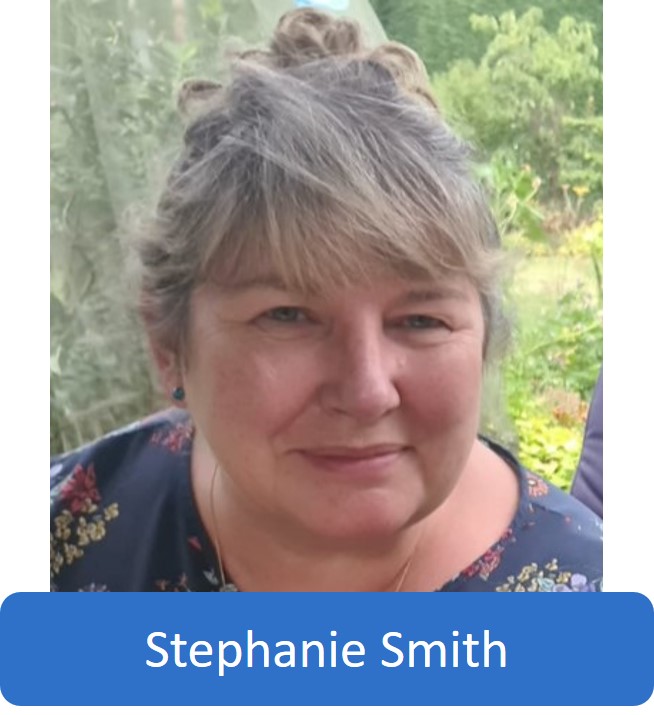
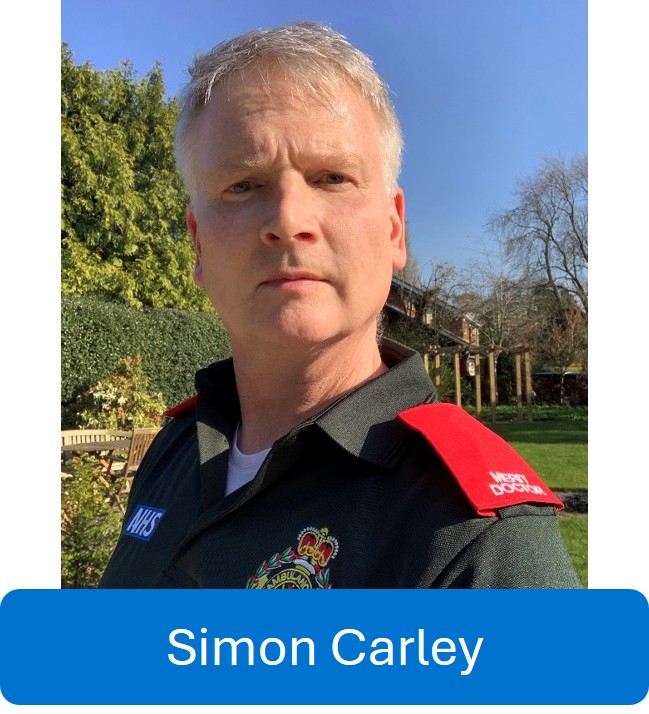
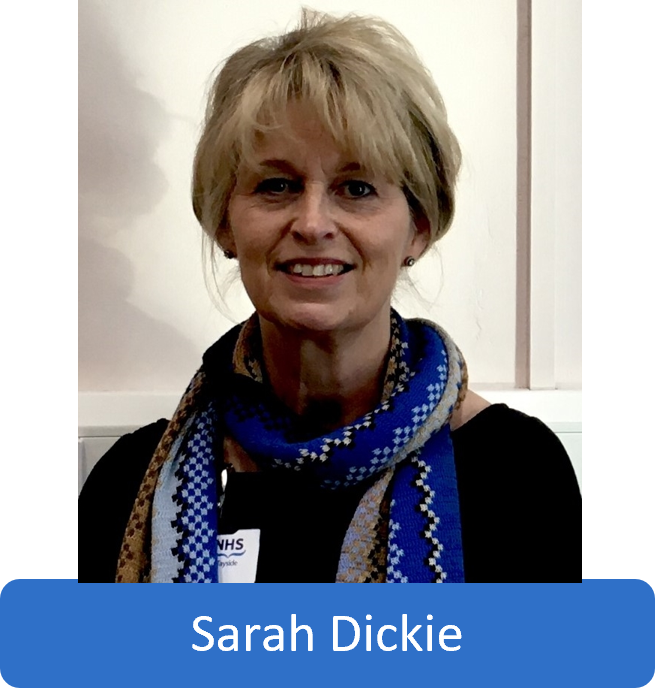
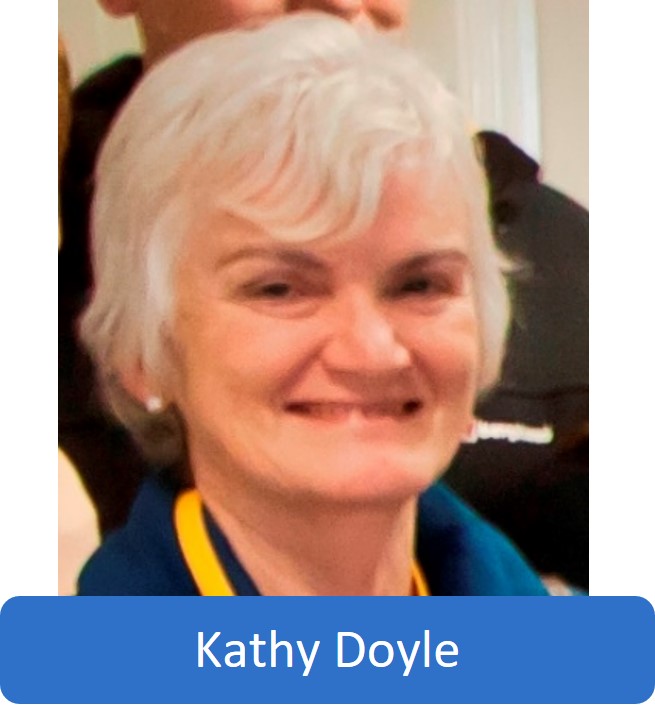
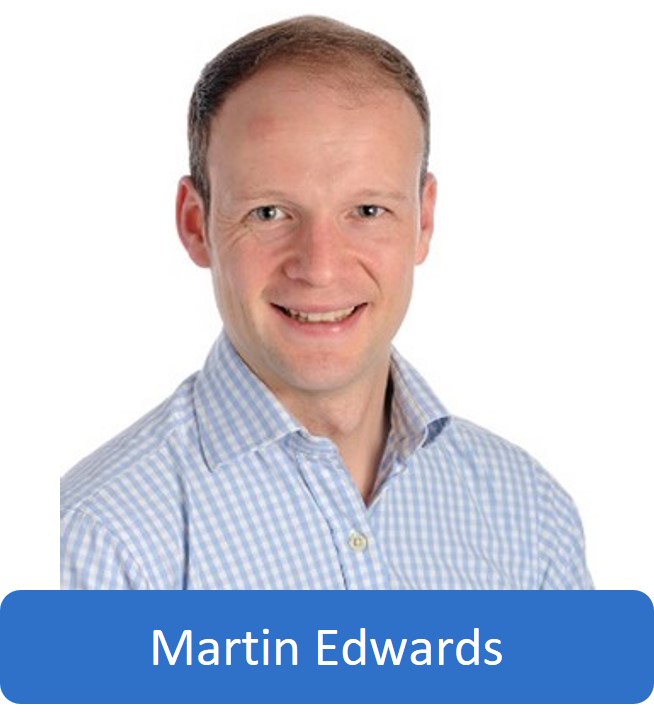
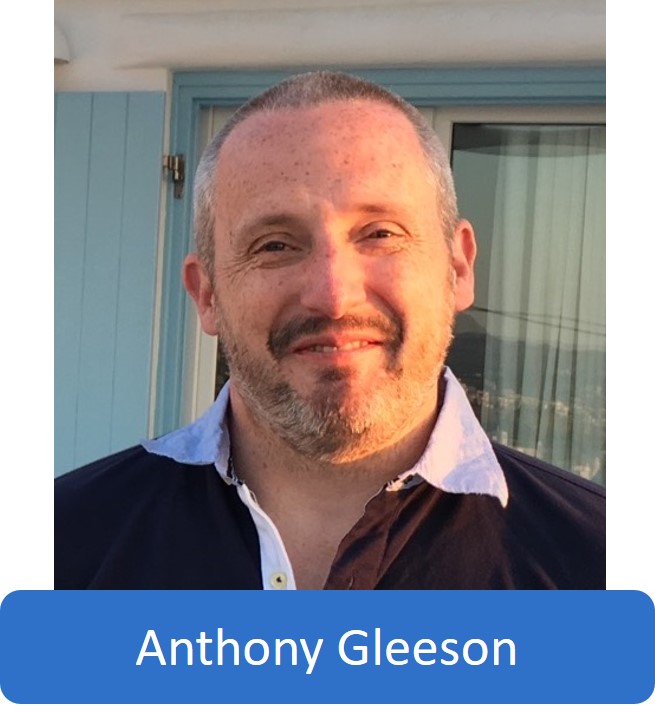
Leadership team
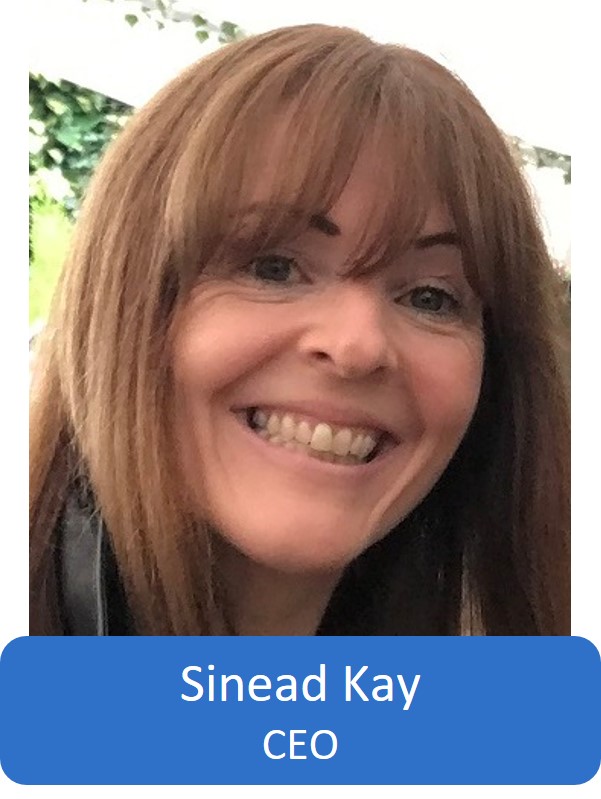
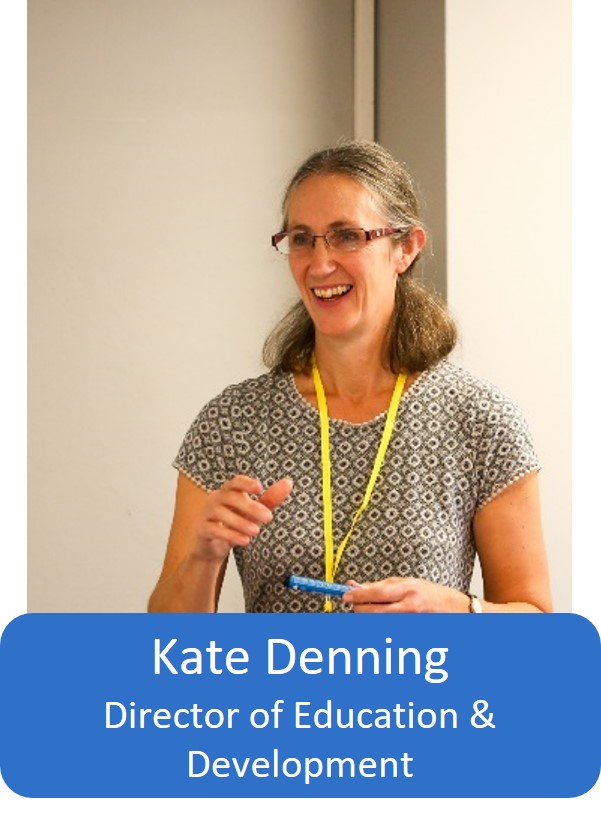
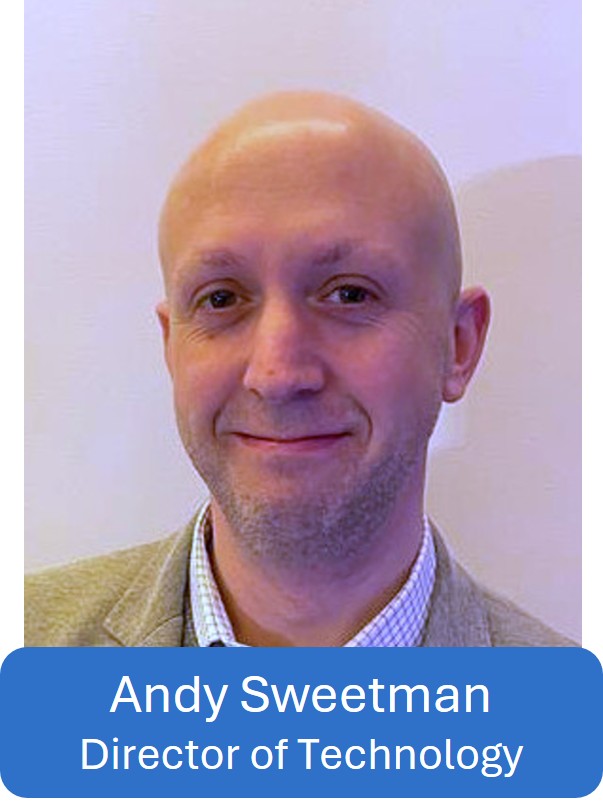
 Celebrating 30 years of APLS
 -
Continuous assessment
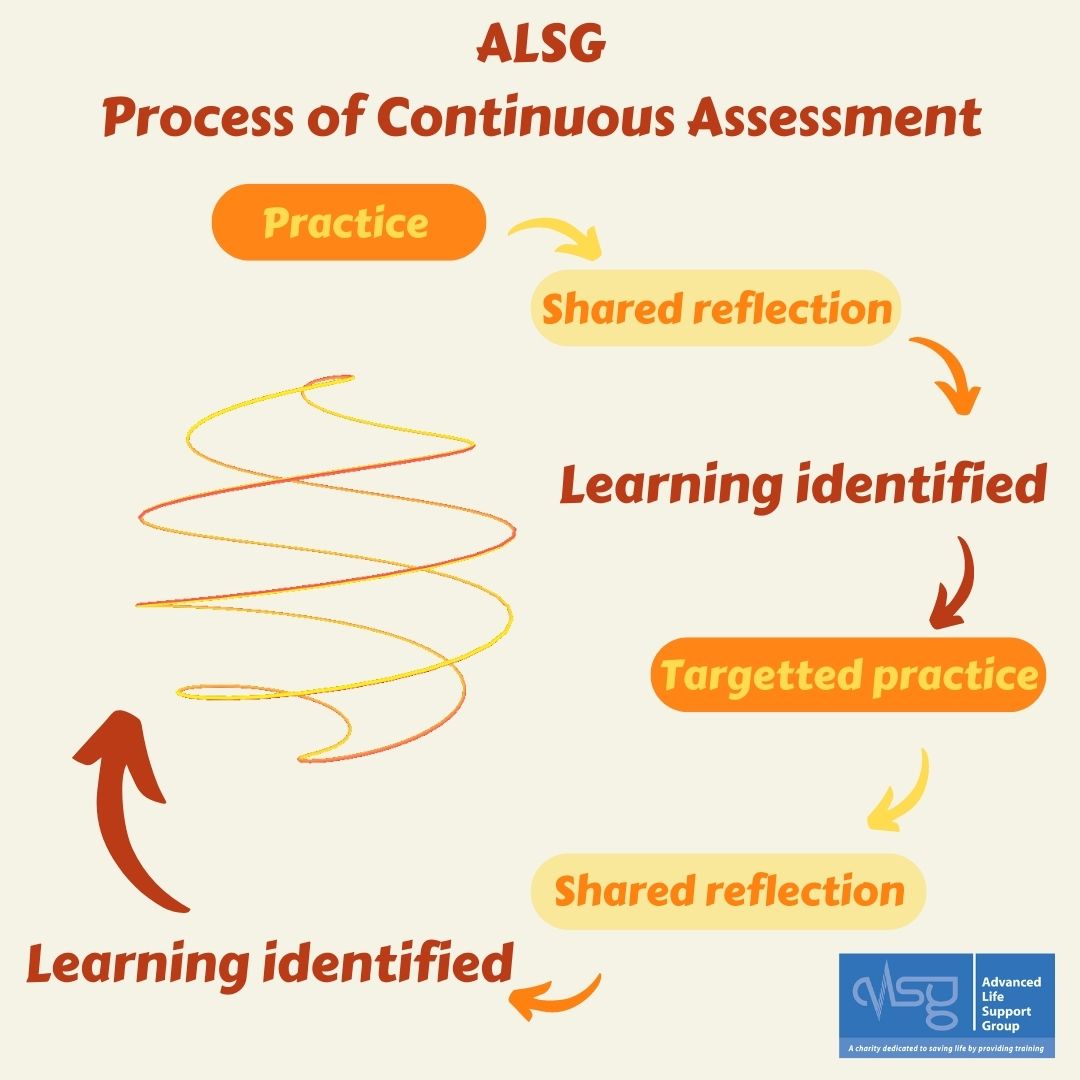 ALSG realised a number of years ago that we cannot safely assess our candidates on the level of their clinical care, ability to work with colleagues, communication skills, professionalism in a single moment, in one high-stakes test. Through studying assessment literature, we learned that putting all of our faith in one summative assessment was based on a number of flawed assumptions.
We took the decision to move to a form of ongoing or multiple assessment, realising that repeated sampling and triangulation by different assessors were both essential. We recognised that the students needed to be far more involved in the process and have agency and be heard, therefore they needed more meaningful and ongoing feedback. This meant putting much more emphasis on assessment for learning, guiding and coaching.
We've made adaptations over the last few years, learning from our successes and our challenges. We will keep on doing this and striving to improve the experience for our candidates. We are on an exciting journey.
Listen to Kate Denning, ALSG’s Director of Education talk about the benefits of continuous assessment where she outlines that exams have a place but are also just a moment in time, whilst outlining the advantages of continuous assessment over a two day training programme.

-
Articles Archive
Mental preparation - returning to work
 As we return to some sort of normality, many people will be returning to their offices for the first time in many months. This is a transitional time as we recalibrate the way we work, as COVID-19 has not gone away.
Our employers will take care of the physical safety aspects such as only going in one way and exiting another, social distancing of desks, along with rigorous cleaning but how mentally prepared are we?
Being mentally prepared for returning to work or the office after so long is a vital part of everyone’s role. As feelings of stress come from anxiety, we have some practical tips to help you be more prepared for the transition back to work or the office.
- Being prepared can prevent pitfalls and reduce feelings of stress and this comes by preparing yourself for your daily tasks. This may be doing some research to understand what’s needed or speaking to a colleague, all of which helps reduce anxiety.
- Never go to a staff meeting without having prepared in advance updates about a particular piece of work you’re undertaking and how you are going about it, what the timelines are and what the outcome is likely to be.
- Another technique is to focus on your tasks, make a real commitment to that day and if need’s be, make a list of the things that need doing which’ll provide that focus.
- Concentrating hard on your role not only helps to achieve a positive outcome but it diverts your mind by being fully absorbed.
At the end of the day, it takes time to get back into the new pattern of being office based, but these tips will help you on a daily basis.
World Mental Health Day - 10th October 2021 It’s World Mental Health Day next month, a time when people reflect more on their mental status. Even if it’s just for one day, it helps to slow down and view the issues that may be affecting you more than you know.
It’s also a day to become aware of others around you. Take time to think differently about that person who you pass who would normally say hello or smile in acknowledgement but doesn’t on this occasion. Is s/he occupied with something else, or perhaps just running late and is focused on that?
Life’s incredibly busy for everyone and affects people differently. A person may just be too mentally occupied to acknowledge you as you pass so try to see things from the other person’s perspective.
There are lots of useful tools to help individuals cope with just the everyday stresses, some of which are easily accessible such as just going out for a walk however brief, it helps you mentally.
Creating a daily task list is another coping mechanism and helps garner all the outstanding issues into one place. By capturing it in a list, it makes a person feel better and in control or perhaps create an electronic list on your phone, as and when you remember something.
World Mental Health Day is about being supportive and understanding to others, as well as being a bit introspective and reflecting on the things that may be adding to your stress levels and then make a plan for dealing productively with it.
Time to talk - Thursday 4th February 2021 In a recent survey by LBC, the radio station, which through the Freedom of Information Act has discovered there is a greater shortfall of children receiving help for mental health issues to those that are fortunate to be able to receive some vital support. https://www.lbc.co.uk/news/lbc-investigation-childrens-mental-health-support-plummets-during-pandemic/
 It is widely accepted that during this year long pandemic which on the 29th January 2020, saw the first death from COVID-19, that it has impacted all our lives in terms of travel restrictions, job losses, meeting up with friends and family or working from home which in turn has affected many people’s mental health.
Mental health issues manifest in differing ways such as people feeling isolated and lonely or it may be that a person’s got a shorter temper which can be signs to look out for in your family and friends.
Today is Time to Talk Day and so perhaps you’re feeling fine but have a think about those close to you and reach out to them. It could be as simple as a short text asking about how they’re feeling. You never know, maybe someone will send you a message or ring, as they may be thinking about you.
It’s good to know someone’s there.
Tips for working at home Most of us regularly work from home for say, one day per week, so we can cope and are used to that. However, in these unprecedented times, for a lot of us working from home is now five days a week, this certainly puts the onus on each of us to stay motivated and focused. Here are some tips which may help give you a steer:-
Get dressed and avoid the temptation to work in your PJs. You’ll feel more motivated to work and where possible, create a work space which’ll mean it doesn’t feel like the rest of your house.
Set yourselves daily targets and this’ll also help you to prioritise better. Having a list also gives you the satisfaction of ticking off your achievements which is very gratifying.
You will have enhanced autonomy, this is wonderful opportunity for each of us to demonstrate we can be self-starters, as well as looking strategically at your role and how processes can be improved or cost savings made, or maybe identifying areas which are not being developed.
It’s important to keep connected with your colleagues. Set up regular virtual meetings and allow time for a bit of chit-chat which helps keep connections between each of us.
On a final note, just think that whilst your heating bill may increase a bit, you’ll be saving on fuel, wear and tear on your vehicle, and no lost time in your daily commute. There are some real positives.
-
-
Obstetric
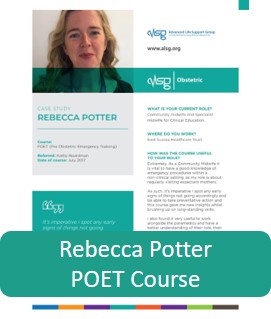
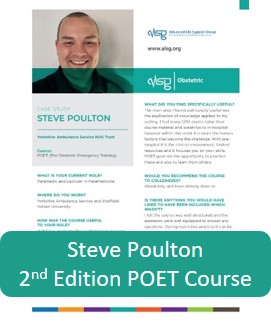
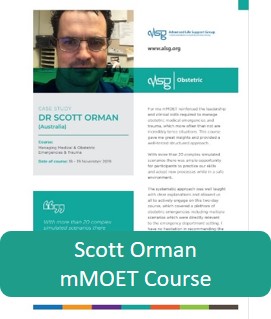
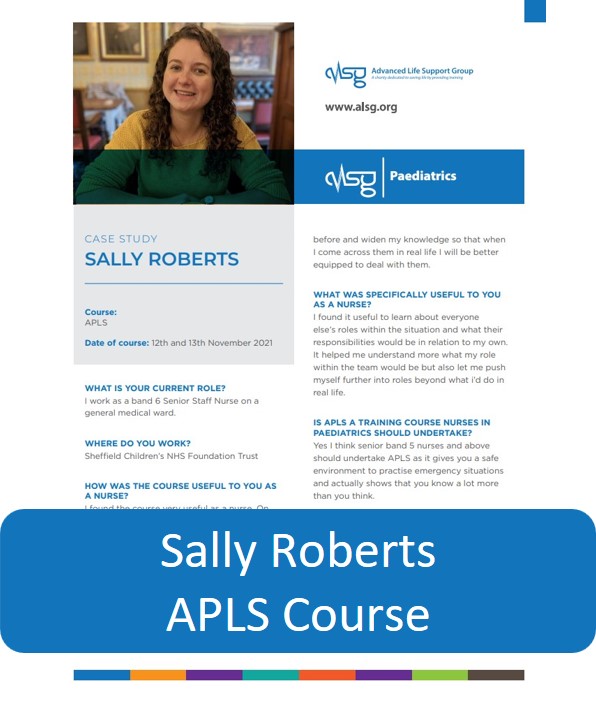
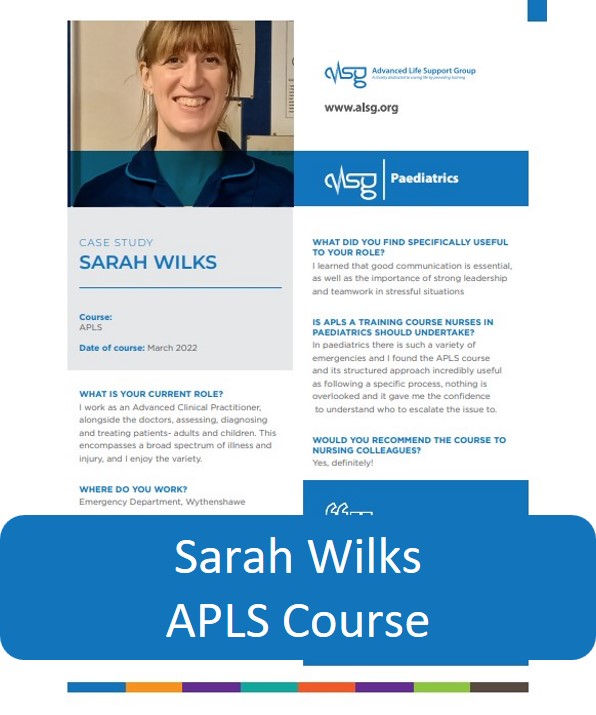
A selection of case studies from candidates who have attended ALSG Obstetric courses.
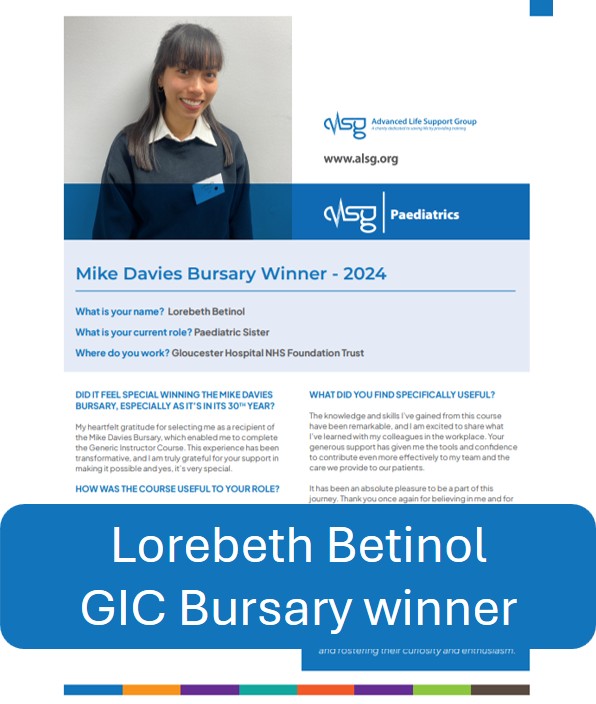
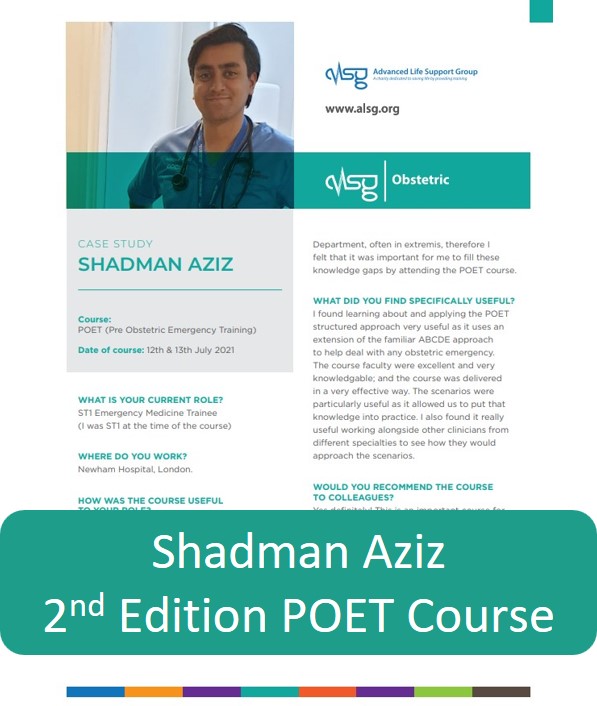 GIC - Mike Davis Bursary winner
Read Lorebeth's account on what winning the bursary meant and her planned instructor journey.
 A day in the life of ...
 Marijke Van Eerd tells us what it's like as an ALSG volunteer. Read more here
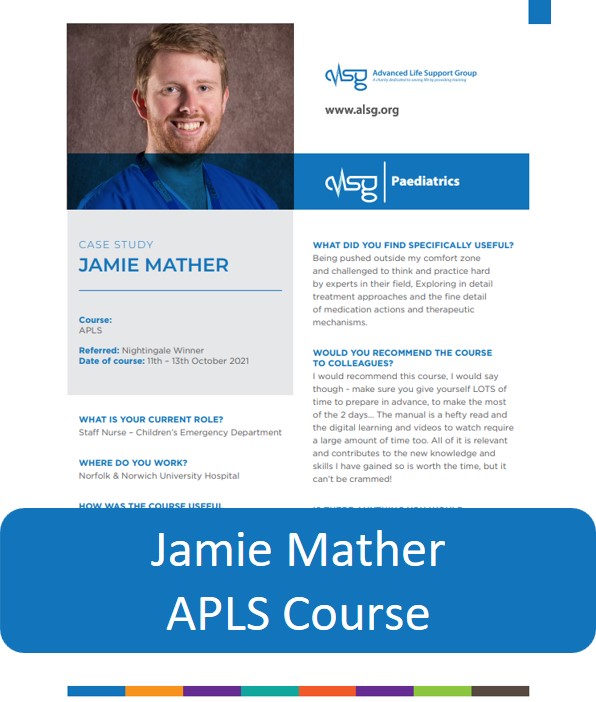
Paediatrics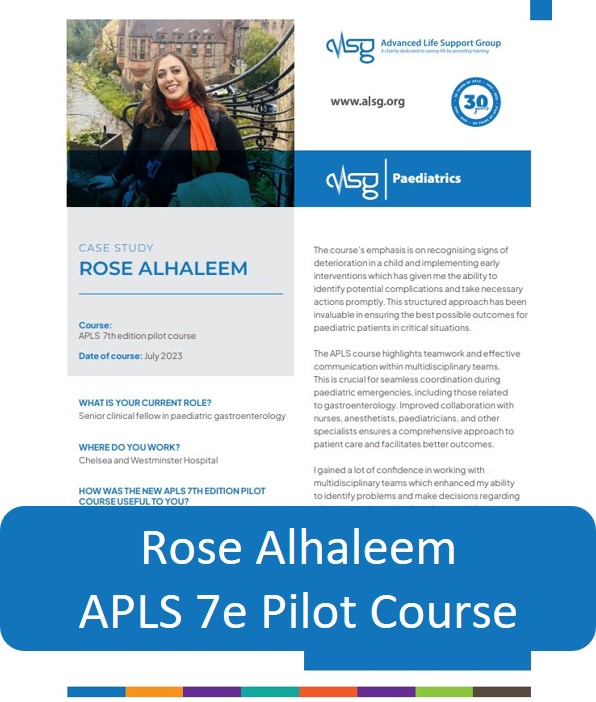
-
Charitable funding awarded to RCEM APLS in Ghana projectThe Royal College of Emergency Medicine (RCEM) has been awarded funding through ALSG’s Charitable Funding Programme, enabling the rollout of Advanced Paediatric Life Support (APLS) training across Ghana.
RCEM has received the full £25,000 grant, which will support the delivery of high‑quality paediatric emergency care education and help strengthen clinical capability within the region.
We look forward to seeing this impactful programme implemented and the positive difference it will make for children, clinicians, and healthcare systems across Ghana.
2027 ALSG Conference Date AnnouncedJoin us in Manchester on 23 September 2027 for a full day of diverse programme of plenaries, engaging workshops, and immersive practical workshops for instructors to enjoy.This year’s theme mirrors our vision: Saving Lives Together. It celebrates our shared commitment to saving lives and improving outcomes. It recognises that collaboration, shared responsibility, and the power of working as one team, across roles, organisations, and communities, delivers safer and more effective care. Together, we create the conditions that save lives, strengthen resilience, and drive meaningful, lasting change.
Book now to secure your place by clicking here – https://bit.ly/ALSGCONF2027
2026 Instructor Webinar for bookingsALSG is pleased to announce that registration for our 2026 Webinar is now open! Join us to hear expert speakers covering a wide range of topics designed to support and inspire our instructors in the UK and overseas.Book your place today by clicking here – https://bit.ly/46wcRCi
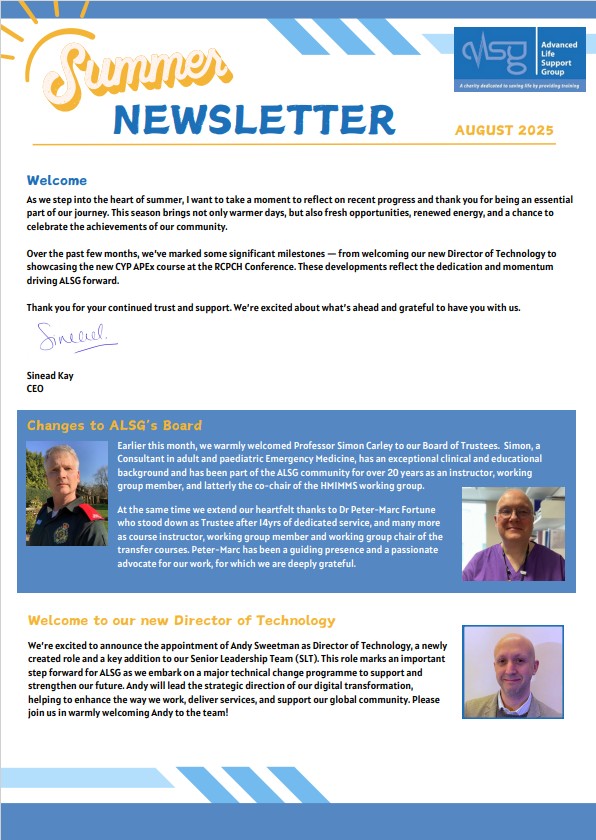
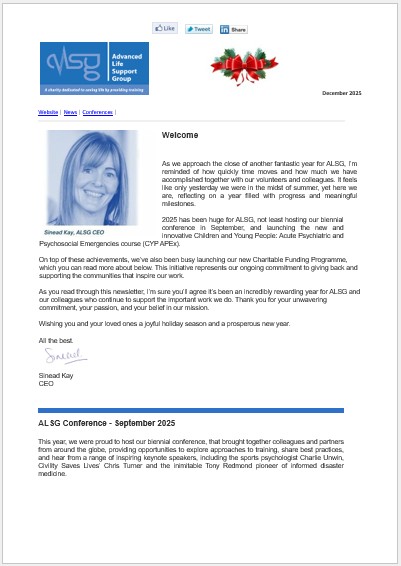
2026 Mike Davis Bursary FundLaunched in 2017, the ‘Mike Davis Bursary Fund’, marked the retirement of Mike as ALSG’s lead educator after a hugely successful 21 years in post. In honour of Mike’s contribution to ALSG, we offer this special fund annually to give future UK ALSG instructors the opportunity to complete a GIC where they may not have the financial support to do so. For more information and to apply, click here.2025 Newsletters30 years of APLS - where did it all begin?Read all about the 30 year journey of APLS, where and how it all began here:New Educators recruitedALSG is delighted to welcome newly recruited educators to join the existing team to support the delivery of GICs in the UK. Each brings unique experience, fresh ideas, and a shared passion for education. We’re delighted to have them on board and look forward to supporting them as they grow into their positions.APEx 2e launchedThe second edition of the APEx course strengthens training for clinicians managing adults presenting in mental health crisis. It offers updated, practical guidelines on recognising emergencies, implementing effective interventions, and coordinating patient care, giving practitioners the tools and confidence to manage complex situations safely and compassionately.Generic Instructor Course (GIC) accreditied by the Academy of Medical Educators (AoME)The Generic Instructor Course (GIC) is fully accredited by the Academy of Medical Educators (AoME), recognising the high standards of the programme and the quality of the training it provides.Podcast channel availableVisit our podcast channel to hear more about our courses and education, featuring insightful conversations with working group members, learners, and guest experts who share real-world experiences, tips, and updates from across ALSG’s courses.NAPSTaR relaunch and rolled out overseasALSG’s world‑renowned patient transfer course, NAPSTaR, has been updated following an extensive review of current processes. The revised programme now reflects the current best‑practice steps for safely moving patients both within hospital settings and in out‑of‑hospital environments.







 Partners





.png)